“From prince-residence to Buddhist temple — A Tibetan-Buddhist sacred site that witnessed two Qing-Dynasty emperors”
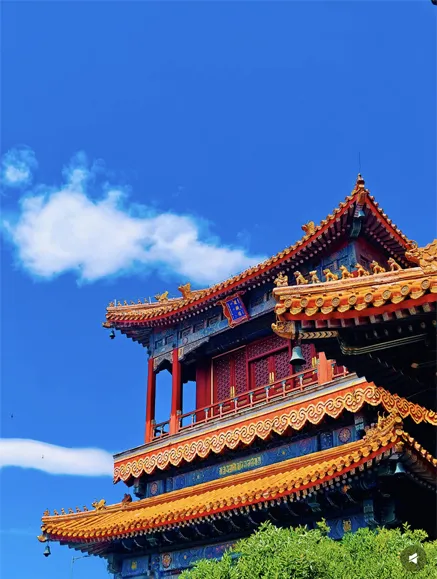
Yonghe Lama Temple sits on Yonghegong Street, Dongcheng District, Beijing. It is the largest and best-preserved extant Tibetan-Buddhist monastery in Beijing and a Major Historical and Cultural Site Protected at the National Level. Its core selling point: two emperors, Yongzheng and Qianlong, once lived here. It is China’s unique complex “first a prince’s mansion, then an imperial temporary palace, finally a Buddhist temple”. Across three hundred years of history, it has transformed from a site of secular political power into a home of religious spirituality.
For overseas visitors, its great appeal lies in the perfect fusion of rich Tibetan-Buddhist atmosphere and imperial-style architecture. Entering Yonghegong, visitors behold resplendent halls, curling sandalwood incense, deep resonant chants and endlessly spinning prayer wheels, instantly immersed in a spiritual atmosphere reminiscent of the snow-covered Tibetan plateau. It is also Beijing’s most frequented temple. On lunar first-and-fifteenth days and major Buddhist festivals, streams of devotees arrive to pray for blessings.
Architectural Layout: Evolution from princely mansion to monastery
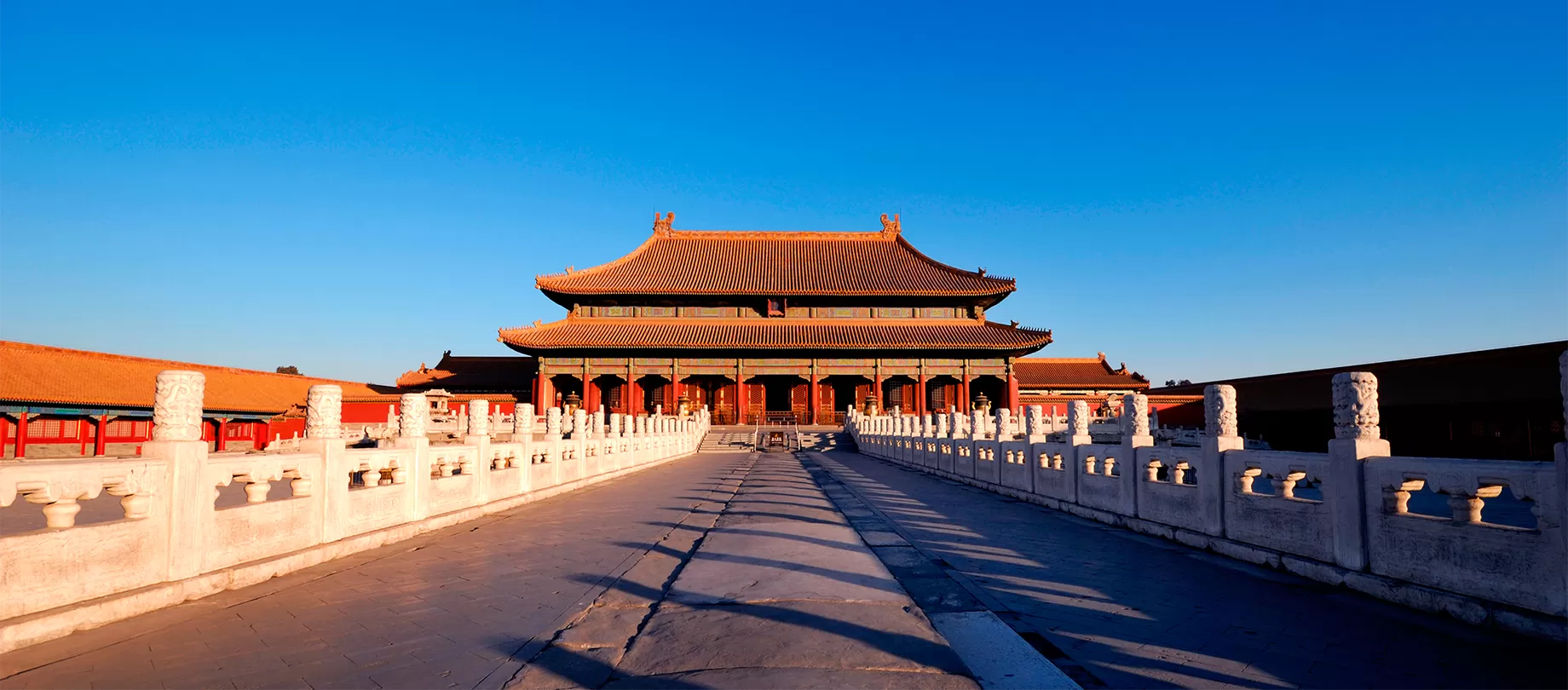
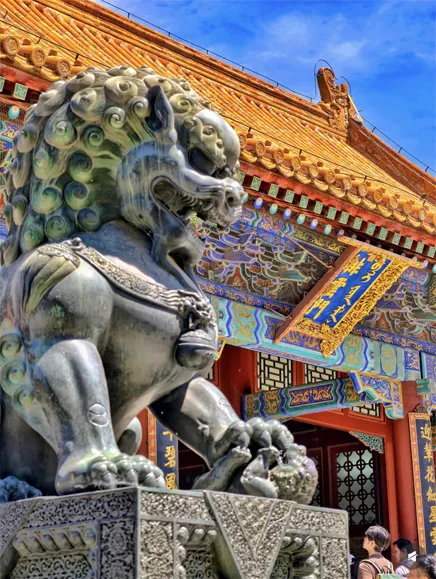
The Yonghegong complex faces south, laid-out along a central axis with seven successive courtyards. Three memorial archways mark the entrance (east, west and north) topped with yellow glazed tiles, imposing and grand. The Hall of Heavenly Kings serves as the first main hall, housing the Maitreya Buddha and Four Heavenly Kings. The Main Yonghe Hall forms the axis centre, enshrining the past-present-future trinity of Shakyamuni, Kasyapa and Maitreya; exquisite Buddhist murals decorate its side walls. The Hall of Eternal Blessing, the fourth main hall, was originally Emperor Yongzheng’s private living quarters; today it holds statues of Amitayus, Medicine Buddha and Roaring-Lion Buddha. The Hall of the Dharma Wheel ranks among the monastery’s largest halls. It contains a bronze statue of Tsongkhapa, founder of the Gelug school of Tibetan-Buddhism. Five gilded pagodas rise on its roof, forming Yonghegong’s most striking skyline feature.
Three key halls and precious cultural relics:
1. Hall of Ten Thousand Fortunes (Wanfu Pavilion): Yonghegong’s tallest building, approximately 30 metres high. Inside stands an 18-metre-high standing Maitreya Buddha carved from a single whole white-sandalwood log. It is the world’s largest white-sandalwood Buddha statue, superbly-crafted and awe-inspiring.
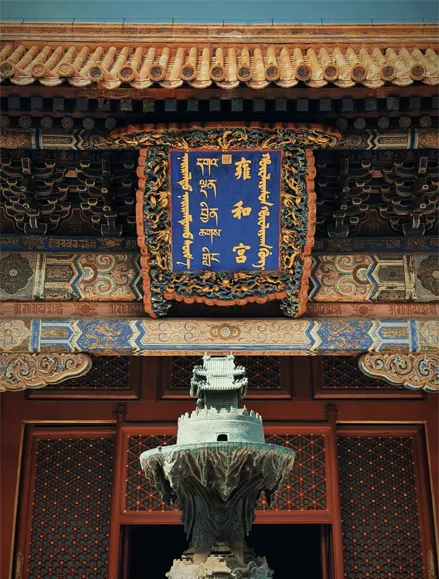
2. Four-Script Stele & Qianlong Imperial-Edict Stele: The white-marble stele in front of the Hall of Eternal Blessing bears Qianlong’s imperial inscription in Manchu, Han-Chinese, Mongolian and Tibetan languages, cultural testimony to the unified multi-ethnic Qing empire.
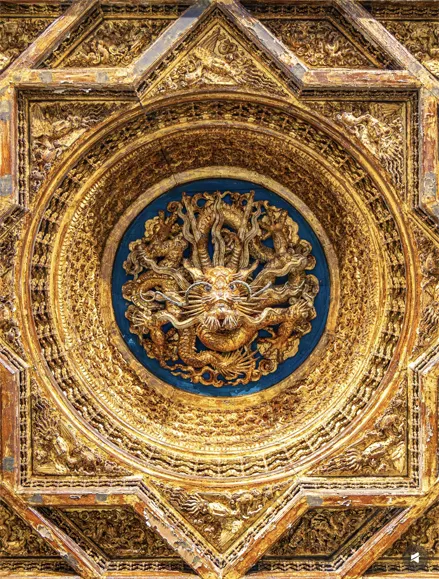
3. Mandala and Thangka Paintings in the Hall of the Dharma Wheel: Magnificent gilt-bronze mandala altars and finely-painted thangka murals are displayed here, showcasing the rich, mysterious artistic language of Tibetan-Buddhism.
Tibetan-Buddhist Ceremonies: Sustained incense and faith
More than an architectural treasure, Yonghegong is a living monastery. Each early morning, lamas in crimson-red robes gather for morning scripture recitations inside the Hall of the Dharma Wheel. Deep-toned chanting reverberates through halls amid curling incense, creating a solemn atmosphere that draws crowds of devotees and sightseers. On lunar first-and-fifteenth days, worshippers travel from near and far, holding incense sticks and reciting scriptures while bowing devoutly before altars, praying for safety and good fortune. Every first lunar month, the grand Cham Dance (Vajra Demon-Subduing Ritual) is performed. This spectacular ceremony offers one of Beijing’s most vivid public displays of Tibetan-Buddhist culture. As one regular lay-visitor remarked: “At Yonghegong, you worship not so much gods and buddhas, but inner peace.” This unique atmosphere blending imperial legacy and living Tibetan-Buddhist practice earns Yonghegong the nickname “Little Tibet of Beijing”: both witness to history and a haven for spiritual belief.
We use cookies to offer you a better browsing experience, analyze site traffic and personalize content. Part of the tracking is necessary to ensure SEO effectiveness, By using this site, you agree to our use of cookies. Visit our cookie policy to learn more.
 English
![[Kangyi Documentary] Summer Coolness Delivery, Warming Hearts on the Journey | Hangzhou Kangyi International Travel Service Pays Tribute to Every Guide Holding the Front Line](/uploads/images/we-are-committed-to-pursuing-excellence-and-striving_1772702268.webp "[Kangyi Documentary] Summer Coolness Delivery, Warming Hearts on the Journey | Hangzhou Kangyi International Travel Service Pays Tribute to Every Guide Holding the Front Line")
![[Kangyi Documentary] Under the Scorching Sun, True to Our Original Aspiration! Tribute to the Most Beautiful Tour Guides Holding Their Posts in the High Heat](/uploads/images/1_1772702274.webp "[Kangyi Documentary] Under the Scorching Sun, True to Our Original Aspiration! Tribute to the Most Beautiful Tour Guides Holding Their Posts in the High Heat")
![[Kangyi Documentary] Spectacular Scene! A 1,400-Person Group Tour of Jiangnan, Successfully Hosted by Kangyi International Travel Service!](/uploads/images/2_1772702280.webp "[Kangyi Documentary] Spectacular Scene! A 1,400-Person Group Tour of Jiangnan, Successfully Hosted by Kangyi International Travel Service!")