“The veins of Beijing — A living history museum carrying mill-old urban folk vitality”
Derived from the street layout of the Yuan-era Dadu capital, hutongs embody the very essence of Beijing’s urban culture. Core selling point: If the Forbidden City represents Beijing’s skeleton and the Temple of Heaven its ritual system, hutongs form Beijing’s texture and blood-stream. Free of imperial solemnity, they hold ordinary people’s joys and sorrows; they are the true “roots” of old-Beijing residents. More than mere city lanes, hutongs are living spaces preserving hundreds of years of folk-life memories, recording the daily warmth of generations of Beijingers.
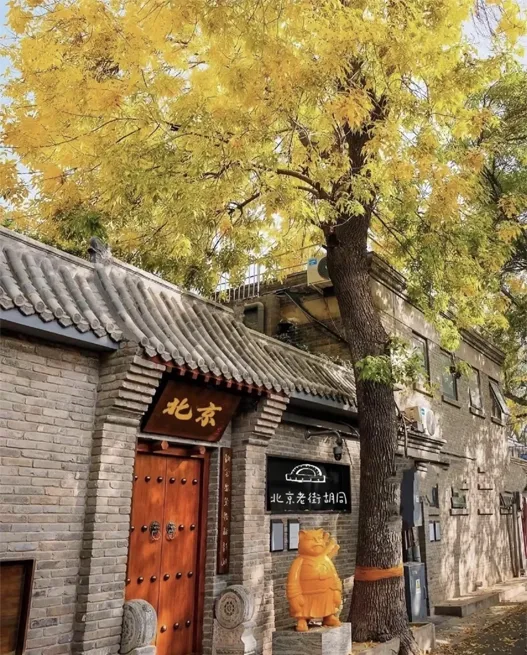
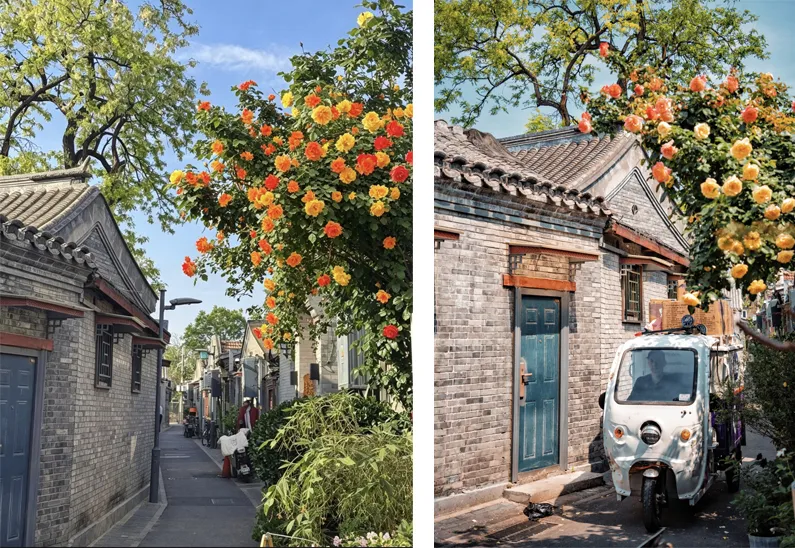
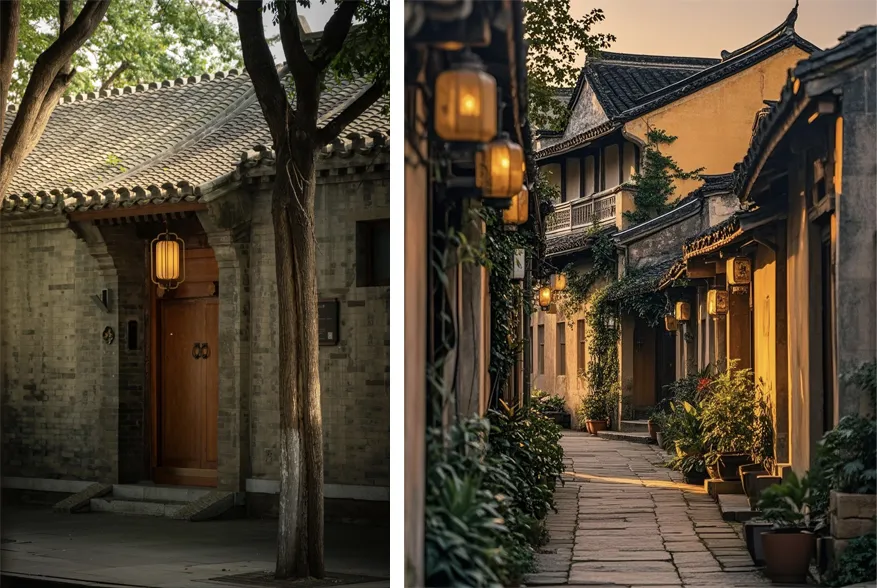
For overseas visitors, rickshaw rides through Yandai Xiejie, Nanluoguxiang and Ma’er Hutong offer the best way to touch authentic old-Beijing life. Weathered gate piers, upturned lintels, exquisite brick carvings above doorways, jujube-tree branches stretching over courtyard walls, even hearty laughter of elderly men playing chess at lane entrances and elders chatting on door thresholds, all compose a highly human-centred folk scroll. Free of grand palaces and stately imperial retinues, hutongs offer plain, genuine life and reveal a city’s true human warmth.
Architectural Layout: The enclosed beauty of siheyuan courtyards
Typical siheyuan courtyard houses line both sides of hutongs. Following Confucian ritual principles: “Main north-facing chambers hold highest status, side wing chambers rank second, inverted southern chambers serve as guest quarters”, they form enclosed, tranquil compounds. Door studs and threshold ornaments at gateways, auspicious brick carvings on screen walls, and delicate wood-carved hanging-flower gates manifest ancient China’s strict social hierarchy and profound clan culture. In a standard siheyuan, elders occupied the main northern house; children and grandchildren lived in the east-and-west side wings; inverted southern chambers functioned as reception halls or studies. Pomegranate and crab-apple trees were commonly planted in courtyards, symbolizing “many sons and blessings” and “prosperous wealth”, embodying Chinese people’s hopes for flourishing family clans.
Three signature hutong experiences:
1. Nanluoguxiang: One of Beijing’s most celebrated hutongs, 786 metres long with over 740 years of history. Side lanes branch off in a fish-bone pattern, a surviving physical example of the neighbourhood-ward system dating back to Dadu of the Yuan Dynasty.
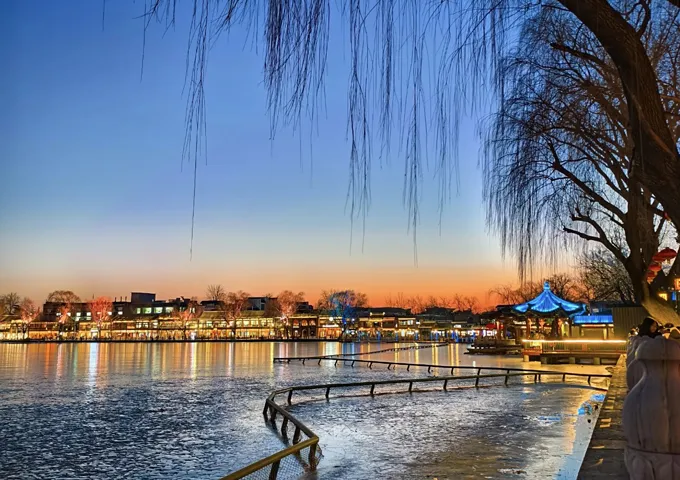
2. Yandai Xiejie (Pipe-Shaped Oblique Street): Named for its tobacco-pipe-like shape, one of Shichahai’s most distinctive hutongs. Lined with shops blending time-honoured brands and trendy boutiques, it brims with everyday vitality.
3. Siheyuan Homestays & Teahouses: Tourists may stay in boutique homestays converted from old-style courtyards, or sip jasmine tea within hundred-year-old compounds while listening to stories of old Beijing.
Hutong Memories: Intertwined celebrities and ordinary life
Every hutong carries its own stories. Ma’er Hutong once housed Wen Yu, a grand secretary of the late Qing Dynasty; his Ke Garden remains well-preserved. Shijia Hutong, one of Beijing’s oldest hutongs, was home to notable figures including Zhang Shizhao and Hua Guofeng, earning it the description “One hutong holds half of modern Chinese history”. Brick-Pagoda Hutong is Beijing’s oldest documented hutong, where Yuan-dynasty dramatist Guan Hanqing once resided and created his works. More than architectural spaces, hutongs are carriers of history. An elderly Beijinger once put it: “Standing at a hutong entrance, you hear not merely wind, but footsteps and laughter of hundreds of years past.” This rich tapestry of celebrity anecdotes intertwined with common-people’s daily life makes hutongs “living Beijing”. Push open one red wooden gate, and you step into a bygone age.
We use cookies to offer you a better browsing experience, analyze site traffic and personalize content. Part of the tracking is necessary to ensure SEO effectiveness, By using this site, you agree to our use of cookies. Visit our cookie policy to learn more.
 English
![[Kangyi Documentary] Summer Coolness Delivery, Warming Hearts on the Journey | Hangzhou Kangyi International Travel Service Pays Tribute to Every Guide Holding the Front Line](/uploads/images/we-are-committed-to-pursuing-excellence-and-striving_1772702268.webp "[Kangyi Documentary] Summer Coolness Delivery, Warming Hearts on the Journey | Hangzhou Kangyi International Travel Service Pays Tribute to Every Guide Holding the Front Line")
![[Kangyi Documentary] Under the Scorching Sun, True to Our Original Aspiration! Tribute to the Most Beautiful Tour Guides Holding Their Posts in the High Heat](/uploads/images/1_1772702274.webp "[Kangyi Documentary] Under the Scorching Sun, True to Our Original Aspiration! Tribute to the Most Beautiful Tour Guides Holding Their Posts in the High Heat")
![[Kangyi Documentary] Spectacular Scene! A 1,400-Person Group Tour of Jiangnan, Successfully Hosted by Kangyi International Travel Service!](/uploads/images/2_1772702280.webp "[Kangyi Documentary] Spectacular Scene! A 1,400-Person Group Tour of Jiangnan, Successfully Hosted by Kangyi International Travel Service!")