
TEL US
+86-0571-86876978EMAIL US
sale@chinakytravel.com
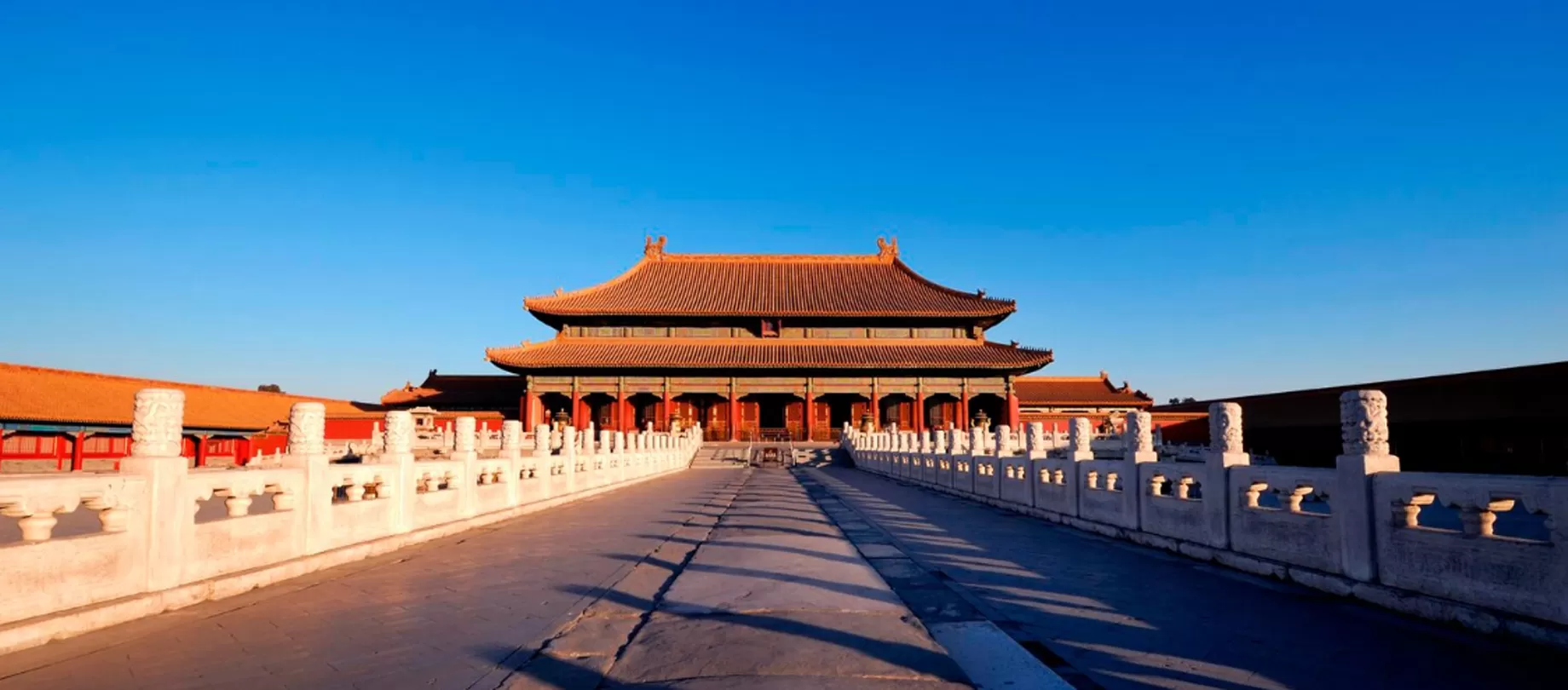
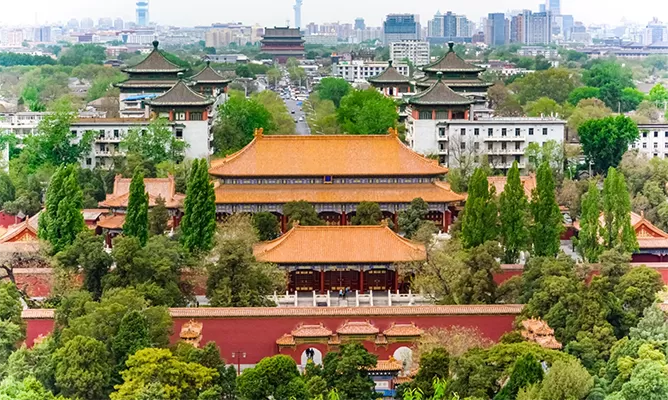
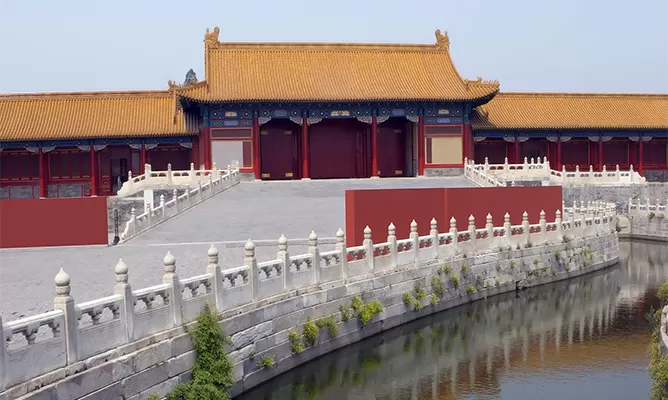
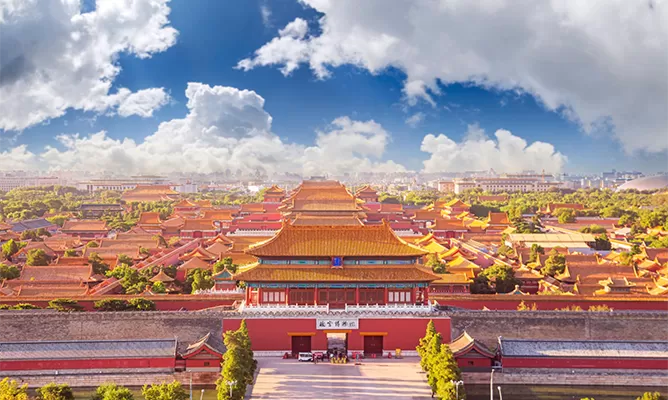
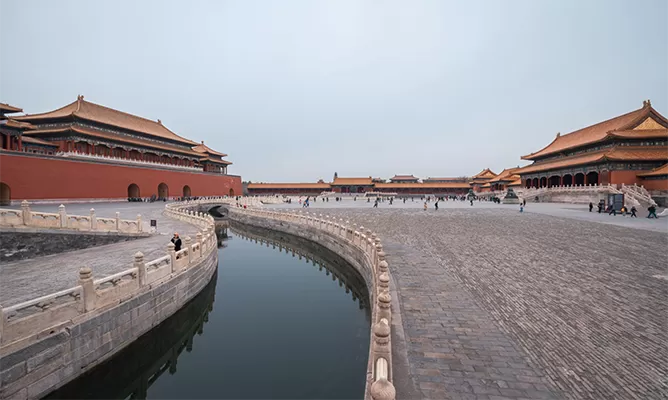
The vermilion walls and glazed tiles of the Forbidden City gleam in the sunlight; the dragon-patterned stone steps of the Hall of Supreme Harmony and the "Upright and Bright" plaque of the Hall of Heavenly Purity exude imperial grandeur. The Badaling Great Wall winds like a dragon, its bricks and stones inscribed with the heroic sentiment, "He who has not climbed the Great Wall is not a true hero." On the shores of Kunming Lake in the Summer Palace, the Seventeen-Arch Bridge reflects in the clear water, while the painted corridors tell stories from classic novels like *Journey to the West* and *Dream of the Red Chamber*. Every step is an epic of six hundred years of imperial history; inside and outside the red walls, history and reality engage in a dialogue.
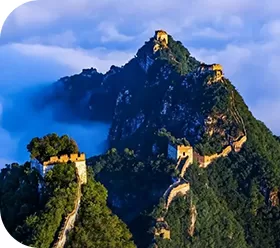
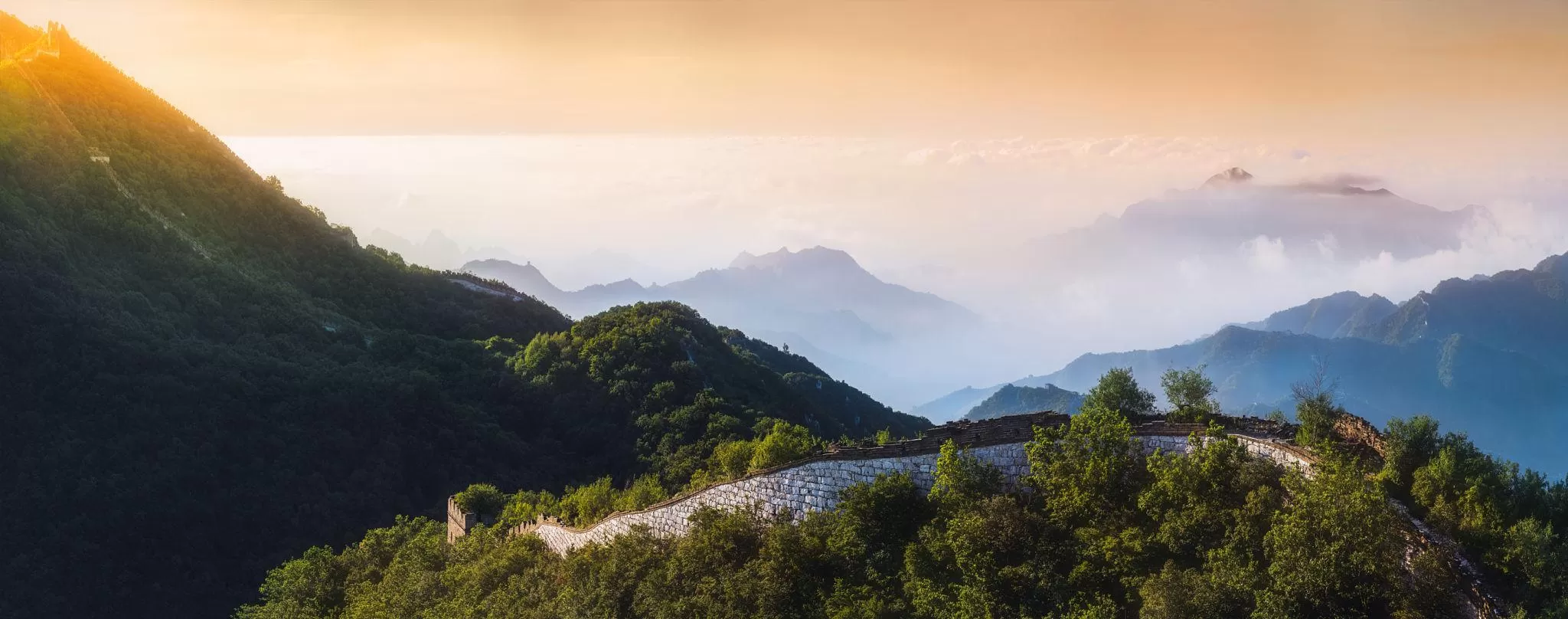
The Great Wall is one of the most iconic landmarks in the world and a must-see when visiting Beijing. Stretching thousands of miles across northern China, it was originally built to protect ancient Chinese states from invasions. Today, well-preserved sections such as Mutianyu and Badaling allow visitors to walk along its historic pathways while enjoying breathtaking views of mountains and countryside. Whether you hike along its rugged sections or take a cable car for easier access, the Great Wall offers a powerful glimpse into China’s past and its architectural ingenuity.
The Forbidden City, also known as the Palace Museum, served as the imperial palace for 24 emperors during the Ming and Qing dynasties. This विशाल complex features nearly 1,000 buildings with traditional Chinese architecture, grand halls, and intricate decorations. Walking through its विशाल courtyards and gates, visitors can explore centuries of royal history, art, and culture. As one of the best-preserved ancient palaces in the world, it stands as a symbol of China’s imperial heritage.
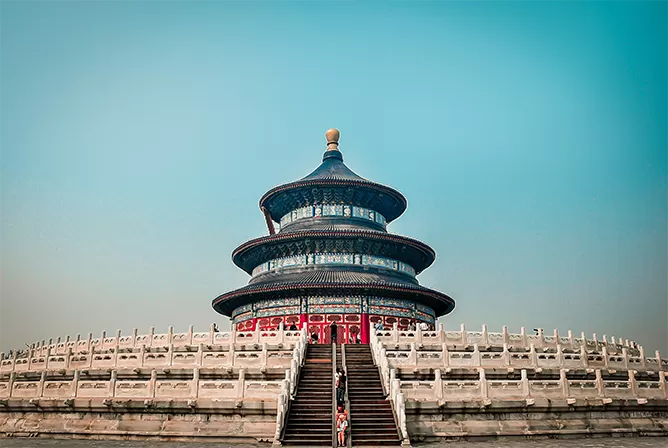
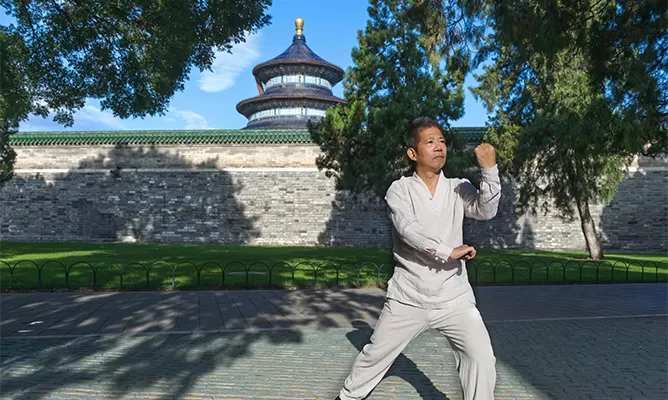
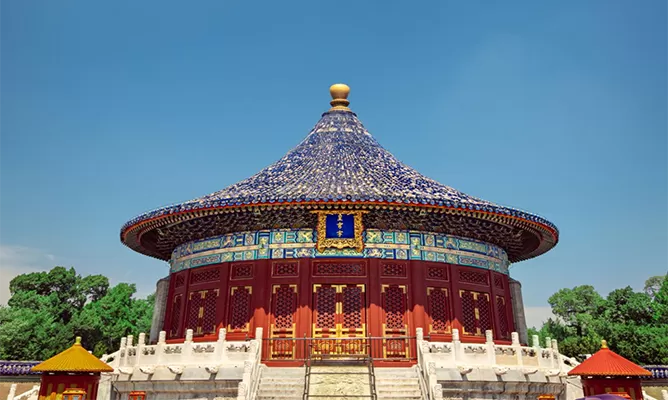
The Temple of Heaven is a masterpiece of ancient Chinese architecture and a UNESCO World Heritage Site. Emperors of the Ming and Qing dynasties once came here to pray for good harvests. The most famous structure, the Hall of Prayer for Good Harvests, is known for its striking blue-tiled roof and perfect symmetry. Surrounding the temple is a large park where locals gather to practice tai chi, sing, and socialize, offering visitors a chance to experience both history and daily life in Beijing.
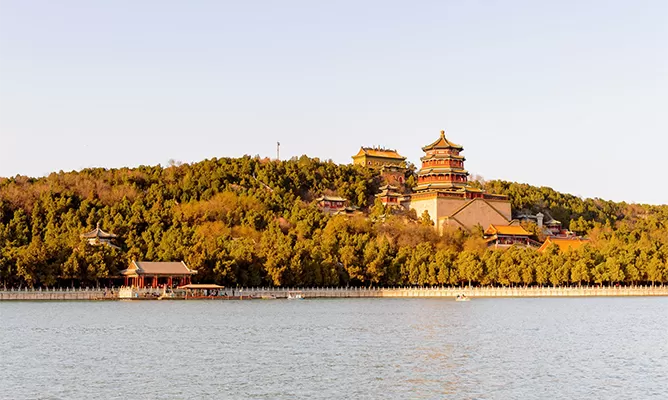
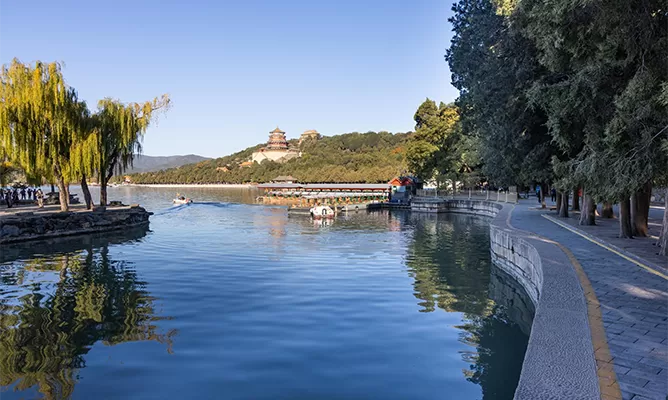
The Summer Palace is a vast imperial garden that served as a retreat for Chinese emperors. Centered around Kunming Lake and Longevity Hill, it features beautiful landscapes, traditional pavilions, and ornate bridges. Visitors can take a boat ride on the lake, walk along the famous Long Corridor with its colorful paintings, or simply enjoy the peaceful natural surroundings. The Summer Palace is a perfect example of classical Chinese garden design, combining architecture and nature in harmony.
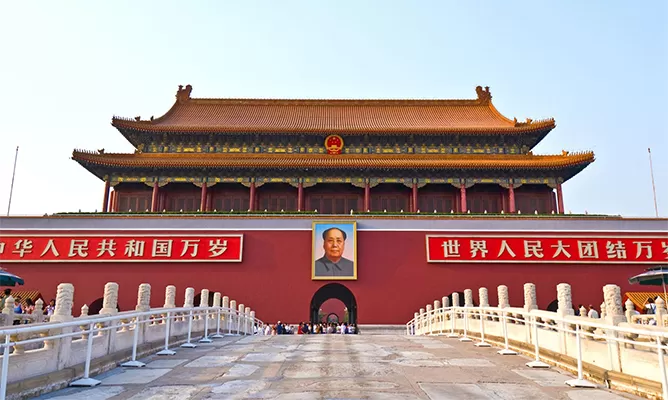
Tiananmen Square is one of the largest public squares in the world and a site of great historical and political significance. Located at the heart of Beijing, it is surrounded by important landmarks such as the Great Hall of the People and the National Museum of China. Visitors can witness the daily flag-raising ceremony at sunrise, a solemn and memorable experience. The square also serves as the main entrance to the Forbidden City, making it a central point for exploring Beijing’s historic core.
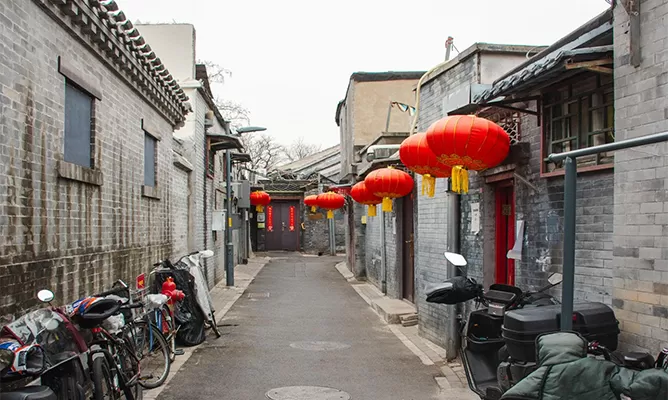
Hutongs are traditional narrow alleyways that offer a glimpse into old Beijing’s way of life. Lined with courtyard houses known as siheyuan, these neighborhoods reflect the city’s cultural heritage and community spirit. Exploring hutongs by foot or bicycle allows visitors to discover hidden cafes, local shops, and authentic street food. Areas such as Nanluoguxiang have become popular for their blend of history and modern creativity, making hutongs a unique and intimate way to experience Beijing.