“The imperial palace of twenty-four emperors — The world’s largest and best-preserved wooden-structure palace complex”
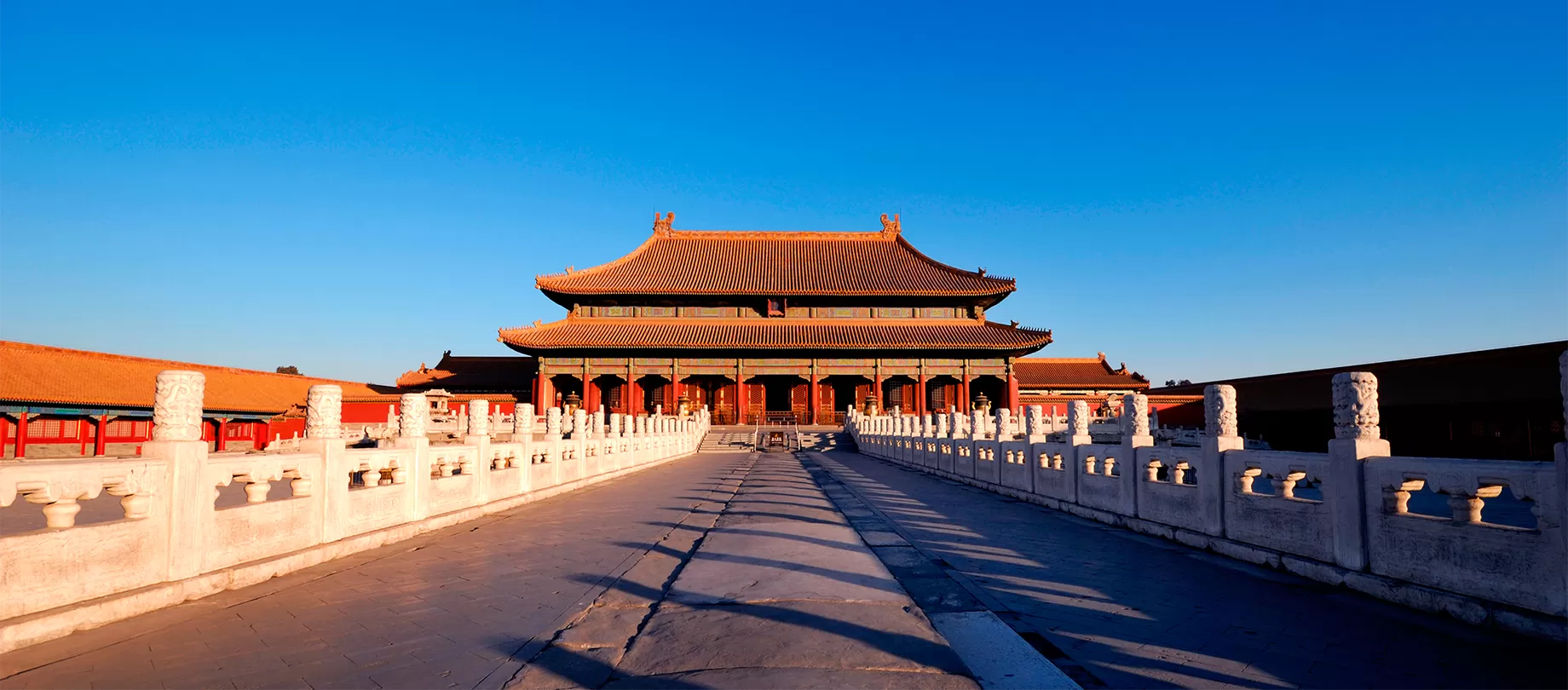
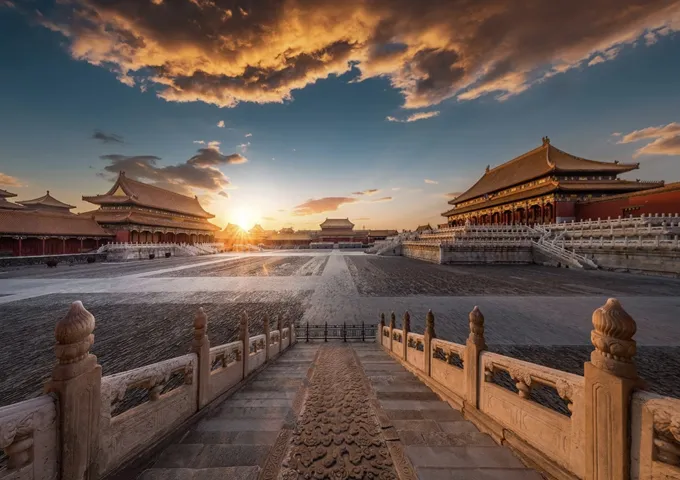
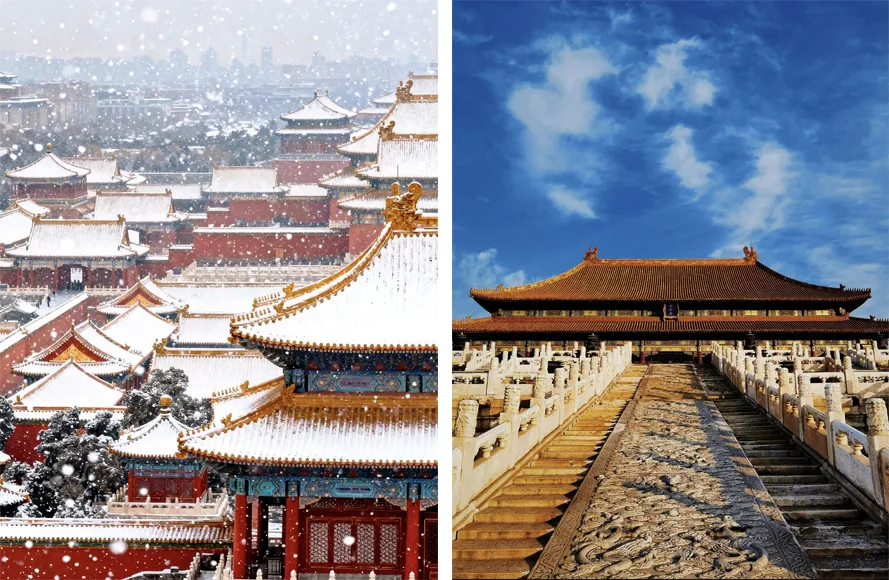
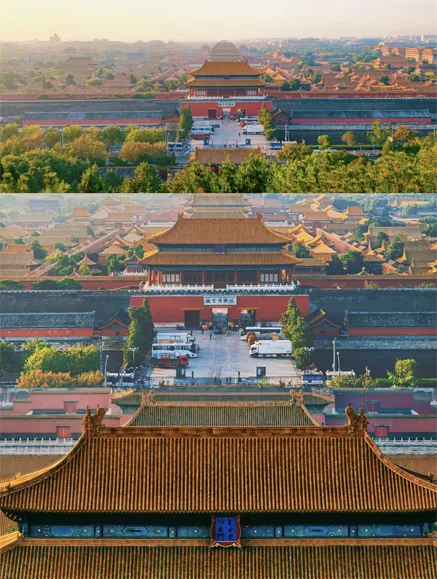
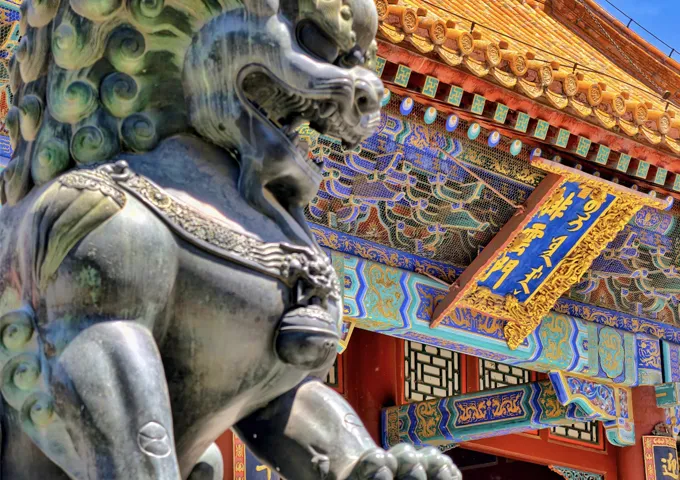
The Palace Museum in Beijing, formerly known as the Forbidden City, sits at the heart of Beijing’s central axis. It served as the royal palace for twenty-four emperors of the Ming and Qing dynasties. The Forbidden City measures 961 meters from north to south and 753 meters from east to west. It is enclosed by a 10-meter-high city wall, with a 52-meter-wide moat outside. Its core selling point: far more than a gigantic imperial palace, it epitomizes 5,000 years of Chinese civilization in architecture, art and state institutions. With red walls, yellow glazed-tile roofs, upturned eaves and intricate bracket sets, this walled city is itself an unparalleled national treasure, bearing 600 years of imperial authority and court memories.
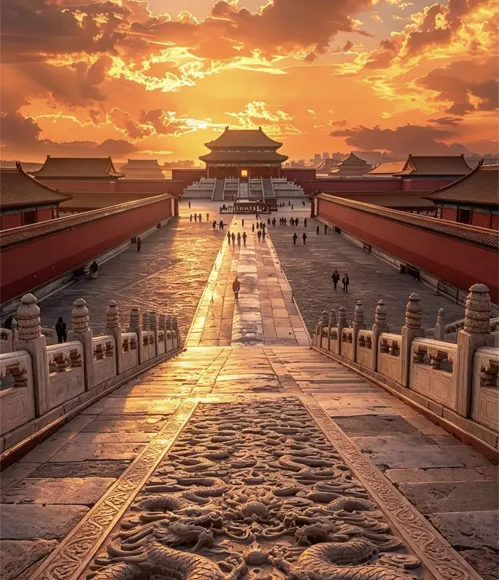
For overseas visitors, the Forbidden City fascinates with its grand narrative power paired with extreme refinement. Entering through Tian’anmen Gate, passing Duanmen and Meridian Gate, and heading north along the central axis, tourists encounter the grand Hall of Supreme Harmony, the solemn Palace of Heavenly Purity, and the exquisite Imperial Garden unfolding layer upon layer. This layout embodies ancient China’s cosmology of imperial supremacy and the ritual doctrine of “ruling facing the south”. The Palace Museum houses more than 1.8 million cultural relics (sets), among which over 8,000 are Grade-One treasures. A true treasury of art, every piece silently narrates the prosperity and vicissitudes of court life.
Architectural Layout — Axial Symmetry and Imperial Hierarchical Order
The Forbidden City is divided into two major zones: the Outer Court and the Inner Court. The Outer Court centers on the Three Great Halls: the Hall of Supreme Harmony, the Hall of Central Harmony, and the Hall of Preserving Harmony. The Hall of Supreme Harmony, commonly called the Golden Throne Hall, hosted grand ceremonies such as emperors’ enthronement, imperial weddings, and empress-crowning rites. Its architectural scale and sumptuous ornamentation represent the pinnacle of ancient Chinese construction. The Inner Court revolves around the Three Rear Palaces: the Palace of Heavenly Purity, the Hall of Union, and the Palace of Earthly Tranquility. Flanking them lie the Six Eastern Palaces and Six Western Palaces, living quarters for emperors, empresses and imperial concubines. Courtyards are exquisitely arranged, carrying the gentle seclusion of imperial domestic life.
Three key highlights among core halls and exhibition galleries:
1. Hall of Supreme Harmony: The largest hall inside the Forbidden City. Roofed with yellow glazed tiles, its floor is paved with gold-glazed bricks, the imperial throne sits at its center, and 72 gigantic nanmu pillars uphold the magnificent space, symbolizing the absolute supremacy of imperial power.
2. Treasure Gallery & Clock Gallery: Located in the Palace of Longevity and Peace complex. They house large quantities of Qing-dynasty court treasures and exquisite Sino-Western clocks and automata, testifying to top-tier craftsmanship and Sino-foreign cultural exchanges of the era.
3. Imperial Garden: Situated behind the Three Rear Palaces. Ancient trees, exotic rocks, pavilions and terraces are scattered throughout. It was a retreat for emperors and empresses for rest and recreation, with varied scenery across four seasons, infusing the solemn palace compound with delicate grace.
Historic Moments & Palace Stories
More than an architectural marvel, the Forbidden City stands witness to countless historic events. In 1420, Emperor Chengzu of the Ming Dynasty issued an edict moving the capital to Beijing, and the Forbidden City was officially put into use. Over the following six centuries, it hosted grand enthronement ceremonies, undercurrents of inner-palace strife, tributary audiences by foreign envoys, and the poignant fall of dynasties. In 1925, the Palace Museum was formally established, opening the once-forbidden imperial compound to ordinary citizens. Today, as visitors wander among halls, they tread upon bricks that emperors and ministers of Ming and Qing once trod. Every threshold has seen shifts of power and turning points of history. This interweaving of architecture and history, of physical space and elapsed time, makes the Forbidden City “a three-dimensional chronicle of Chinese imperial courts”. Stepping inside means stepping into memories of dynastic rise and fall.
We use cookies to offer you a better browsing experience, analyze site traffic and personalize content. Part of the tracking is necessary to ensure SEO effectiveness, By using this site, you agree to our use of cookies. Visit our cookie policy to learn more.
 English
![[Kangyi Documentary] Summer Coolness Delivery, Warming Hearts on the Journey | Hangzhou Kangyi International Travel Service Pays Tribute to Every Guide Holding the Front Line](/uploads/images/we-are-committed-to-pursuing-excellence-and-striving_1772702268.webp "[Kangyi Documentary] Summer Coolness Delivery, Warming Hearts on the Journey | Hangzhou Kangyi International Travel Service Pays Tribute to Every Guide Holding the Front Line")
![[Kangyi Documentary] Under the Scorching Sun, True to Our Original Aspiration! Tribute to the Most Beautiful Tour Guides Holding Their Posts in the High Heat](/uploads/images/1_1772702274.webp "[Kangyi Documentary] Under the Scorching Sun, True to Our Original Aspiration! Tribute to the Most Beautiful Tour Guides Holding Their Posts in the High Heat")
![[Kangyi Documentary] Spectacular Scene! A 1,400-Person Group Tour of Jiangnan, Successfully Hosted by Kangyi International Travel Service!](/uploads/images/2_1772702280.webp "[Kangyi Documentary] Spectacular Scene! A 1,400-Person Group Tour of Jiangnan, Successfully Hosted by Kangyi International Travel Service!")