"The World’s No.1 Tidal Bore comparable to the Amazon — A river blending natural power, thousand-year culture and modern urban wonders, Zhejiang’s Mother River."
Zhejiang’s longest river, also known as Zhijiang, the Qiantang River covers roughly 47% of Zhejiang’s land area. Its core selling point: home to one of Earth’s most spectacular and predictable tidal bore phenomena — the Qiantang Tidal Bore. The river unites thousand-year ancient pagodas, industrial heritage bridges and gleaming modern urban skylines along its banks, delivering three distinct experiences for overseas visitors: raw natural power (one of the world’s three great tidal bores), millennia of cultural heritage (Wuyue and Song civilizations), and contemporary urban aesthetics (Qianjiang New Town light show and skyscrapers). It symbolizes Zhejiang’s pioneering spirit of "standing tall against the tide", unfolding a cross-millennium Chinese scroll painting.
2. Core Attraction — Four Iconic Forms of the World’s No.1 Tidal Bore
Ranked alongside the Amazon and Ganges tidal bores among Earth’s three greatest tidal wonders, Qiantang’s tidal bore viewing tradition stretches back 2,000 years to the Han and Wei dynasties. Its trumpet-shaped river estuary and astronomical tidal forces create waves reaching up to 5 meters high, with a tidal range of 8 to 9 meters. Eight distinct tidal forms have been recorded, with four most renowned:
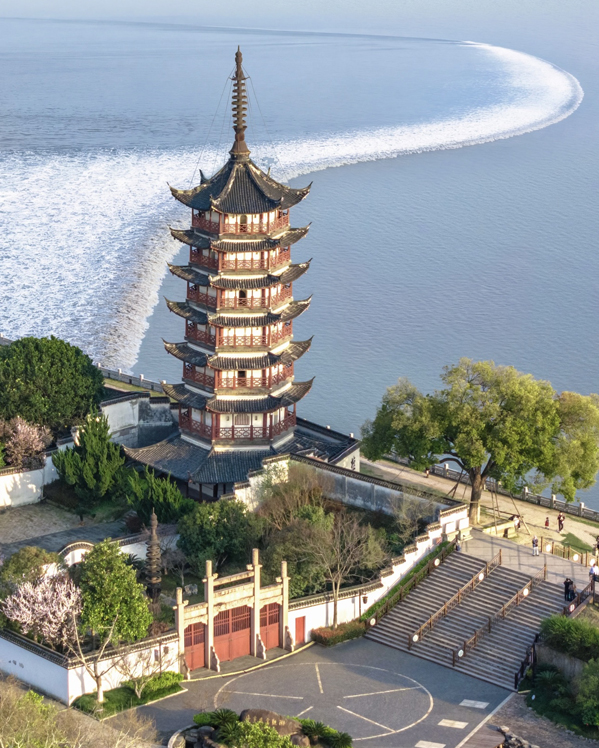
1. One-Line Tidal Bore: "See no wave, hear thunder first". A thin white line emerges far on the river, advancing like ten thousand galloping horses with thunderous roars, forming a towering moving wall of water. Best viewed at Haining Yanguan Tide Park.
2. Cross Tidal Bore: Two tidal currents collide on river sandbars, crossing to form a striking cross-shaped waterfall spray, rare and magnificent. Best viewed at Da Gap, Dingqiao Town, Haining.
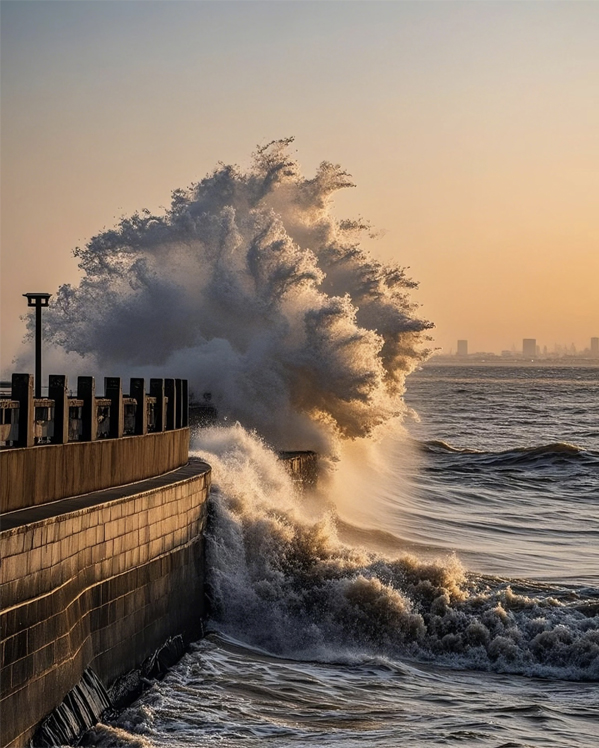
3. Returning Tidal Bore: The T-shaped Beauty Dam juts into the river; crashing tides rebound violently, sending towering white waves surging skyward like collapsing snow mountains. Best viewed at Meinvba.
4. Sky-Shooting Tidal Bore: Tides trapped between two embankments blast upward into ten-meter-high water columns, spraying foam across heaven and earth.
Tide viewing seasons: Large tides appear every lunar month from the 1st to 5th and 15th to 20th, totaling roughly 120 viewing days annually. The grandest spectacle falls on the 18th day of the eighth lunar month, autumn tide peak.
3. Cultural & Historical Landmarks — From Ancient Pagodas to Modern Bridges
Six Harmonies Pagoda, the thousand-year tide-suppressing pagoda
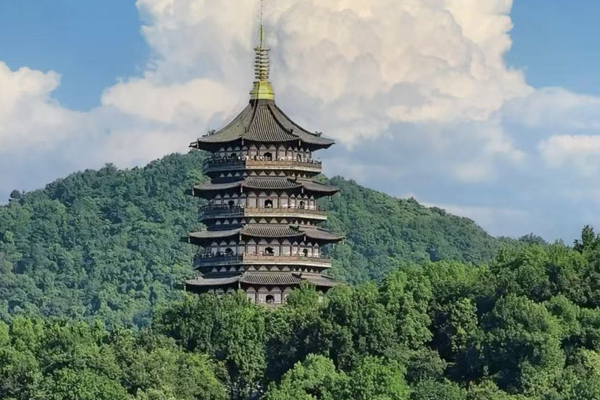
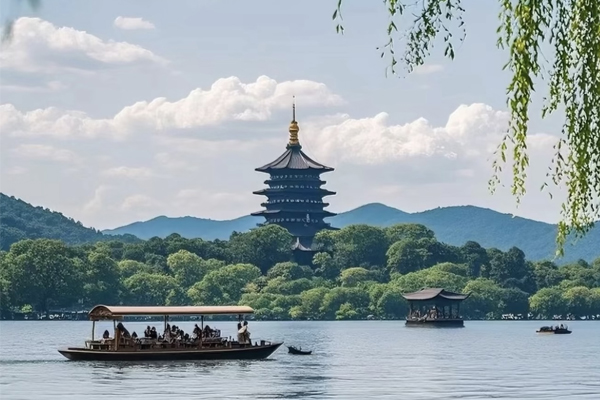
Perched on Moon Wheel Peak south of West Lake along the Qiantang River, Six Harmonies Pagoda was built in 970 AD by King Qian Hongchu of Wuyue to suppress the raging Qiantang tides, named after the Buddhist Six Harmonies principles. Its unique architectural design features eight sides with thirteen exterior layers but only seven accessible interior levels, known as "seven bright, six hidden", a rare masterpiece of ancient Chinese architecture. Climbing the pagoda reveals shifting river views on every floor: vast river currents and modern bridges to the south, sprawling Hangzhou city and rolling hills to the north. It hosts the scenic view "Listening to Tide at Six Harmonies Pagoda", one of the Evaluated Ten Views of West Lake, where visitors hear the echoing tide roar at night, embodying the poetic line "Ten thousand soldiers roar in the midnight tide".
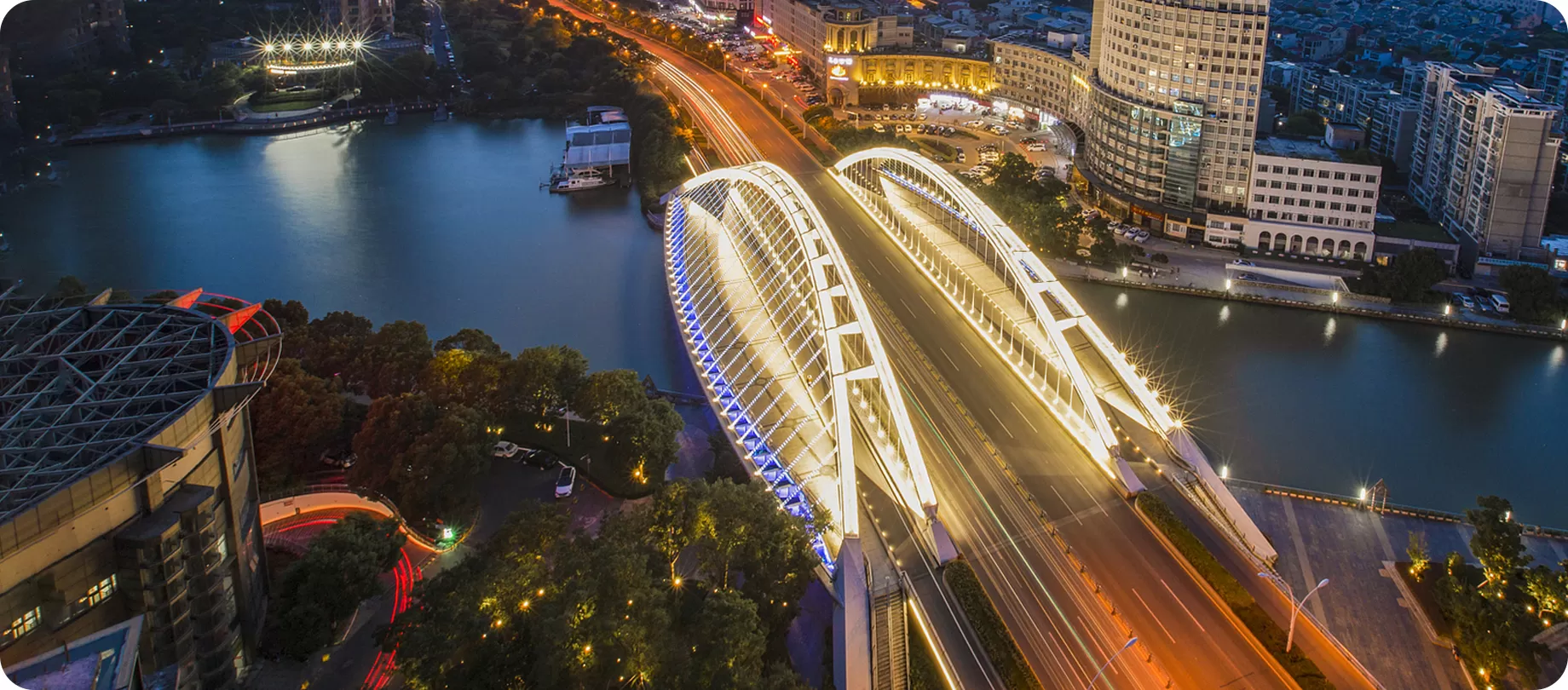
Qiantang River Bridge, China’s first self-designed double-deck bridge
Designed by bridge engineer Mao Yisheng, the Qiantang River Bridge is China’s first domestically engineered double-deck railway and highway steel truss bridge. A piece of industrial heritage with a legendary history of self-destruction and reconstruction during the War of Resistance Against Japanese Aggression, it stands as a witness to Hangzhou’s modern history. Walking the highway deck, visitors see interwoven steel structures, river boats and distant skyscrapers blending history and modernity.
4. Modern Urban Riverside — Qianjiang New Town & Light Show
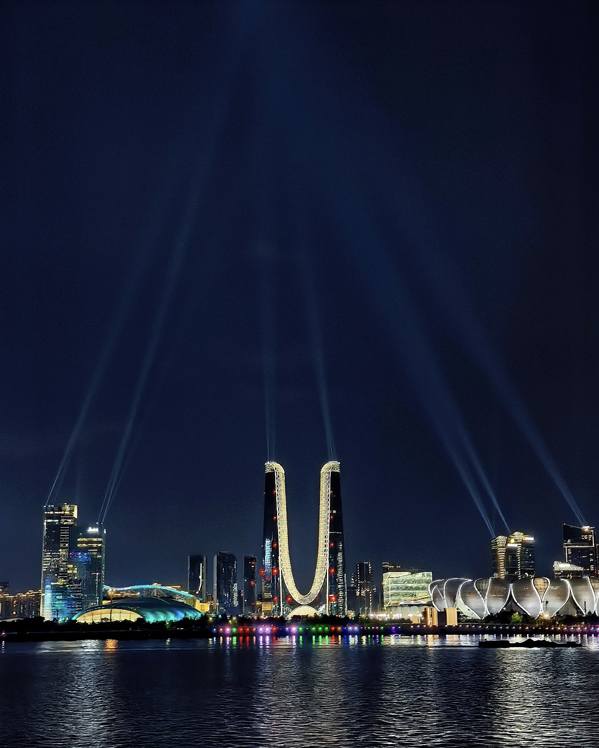
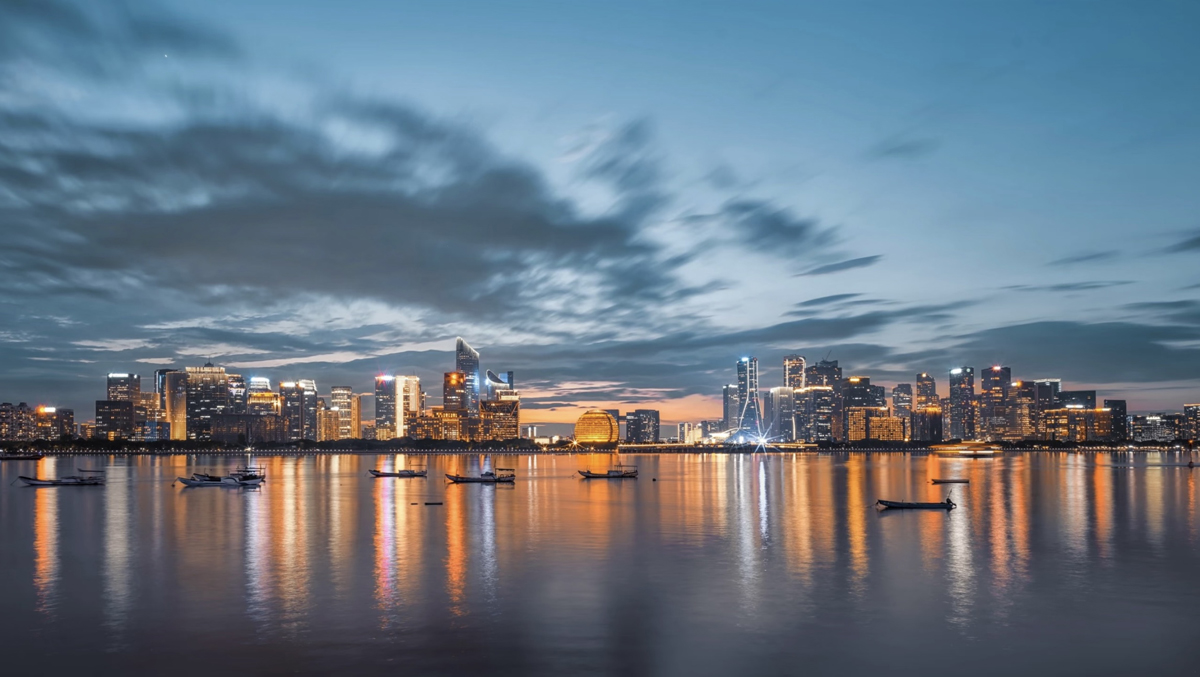
The Qiantang River defines Hangzhou’s new urban skyline under the "River-Oriented Development" strategy, with the riverside City Balcony showcasing modern Hangzhou’s vitality. The Qianjiang New Town Light Show runs every Friday and Saturday evening, Hangzhou’s most recognizable night landscape. Illuminated landmarks including the Big Lotus (Hangzhou Olympic Sports Center), Hangzhou Gate, Sun and Moon Twin Towers (Hangzhou International Conference Center and Grand Theater) reflect across the river, turning the water into a galaxy of stars.
Visitors can cycle or stroll along the riverside: admire tides, pagodas and bridges by day, watch light shows and enjoy river breezes after dark. Metasequoia forests along the bank resemble oil paintings shrouded in morning mist or sunset glow, with cycling paths offering a triple symphony of tide, wind and rustling leaves.
5. Thousand-Year Tide Culture & the Spirit of "Tide Riders"
Qiantang tide viewing culture spans two millennia. Zhuangzi wrote of the river’s surging waves capable of swallowing heaven and earth; Li Bai composed "Tides roll in from white cloud peaks"; Song poet Pan Lang immortalized the iconic line "Tide riders stand atop the waves, red flags held high without a drop of water".
The tide rider stands as a cultural symbol of the Qiantang River: ancient daredevils balanced red flags atop raging tides, embodying fearless courage and shaping Zhejiang’s core spirit of "standing bravely against the tide, with vision for the whole world". Today, tide viewing culture is inscribed on Zhejiang’s Intangible Cultural Heritage List and recognized as one of Zhejiang’s Cultural Symbols. The Qiantang River Sea Embankment & Tide Cultural Landscape is actively applying for World Cultural Heritage status.
Brief summary: The Qiantang River is far more than an ordinary waterway — it is a river where visitors witness Earth’s most powerful tidal surges by day, overlook thousand-year landscapes from a Song-dynasty pagoda, and dive into glowing modern urban lightscapes after dark. For overseas travelers, it delivers both the natural grandeur of the Amazon tidal bore and the urban riverside charm of London’s Thames, paired with a two-thousand-year Oriental story of humans coexisting with mighty tides.
We use cookies to offer you a better browsing experience, analyze site traffic and personalize content. Part of the tracking is necessary to ensure SEO effectiveness, By using this site, you agree to our use of cookies. Visit our cookie policy to learn more.
 English
![[Kangyi Documentary] Summer Coolness Delivery, Warming Hearts on the Journey | Hangzhou Kangyi International Travel Service Pays Tribute to Every Guide Holding the Front Line](/uploads/images/1_1772702274.webp "[Kangyi Documentary] Summer Coolness Delivery, Warming Hearts on the Journey | Hangzhou Kangyi International Travel Service Pays Tribute to Every Guide Holding the Front Line")
![[Kangyi Documentary] Under the Scorching Sun, True to Our Original Aspiration! Tribute to the Most Beautiful Tour Guides Holding Their Posts in the High Heat](/uploads/images/2_1772702280.webp "[Kangyi Documentary] Under the Scorching Sun, True to Our Original Aspiration! Tribute to the Most Beautiful Tour Guides Holding Their Posts in the High Heat")