When the hustle and bustle of Bangkok gives way to the serene stillness of West Lake, when the bold kick of Tom Yum meets the delicate subtlety of Longjing tea — this summer, Hangzhou Kangyi International Travel Service welcomed a group of friends from Thailand with thoughtful preparations and attentive service.
Everything was readied, just so that "Sawasdee" could echo here in return.
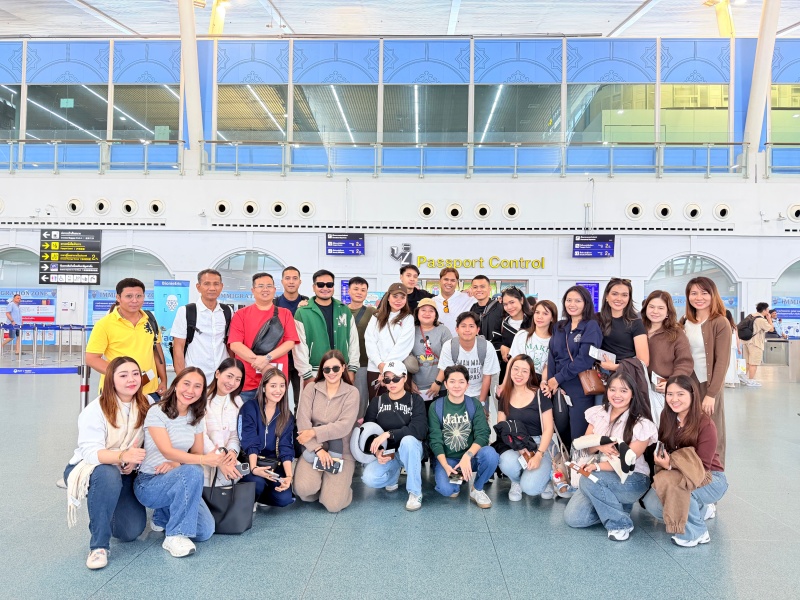
Preparations: Hiding "Familiarity" in Every Detail
Hosting Thai guests often means starting preparations much earlier than you might think. From finalizing menus to setting the daily itinerary, every link had to be carefully laid out in advance.
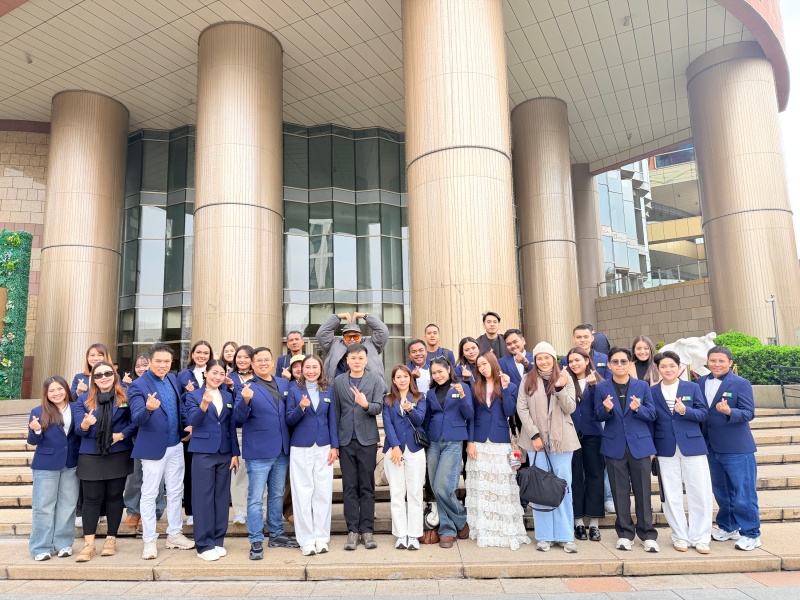
Vehicles: Cleanliness and Comfort Come First
Thai travelers have high expectations for vehicle cleanliness and air-conditioning performance. The team coordinated early with our in-house fleet to ensure that every bus had freshly changed seat covers, fully functioning A/C with the right temperature (Thai guests prefer stronger cooling), and drivers who were reminded to depart on time, drive smoothly, avoid eating inside the vehicle, and keep the floor dry at all times.
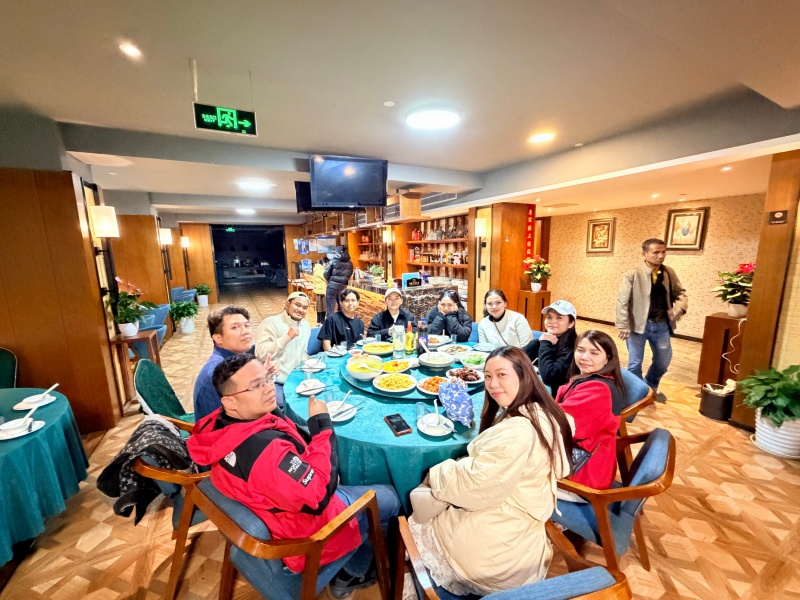
Hotels: Kettles and a Touch of Zen
The team contacted each hotel in advance to confirm: whether electric kettles were provided (Thai guests are accustomed to drinking hot water), whether there was a quiet space suitable for morning meditation, whether breakfast options included flavors suited to Southeast Asian palates, and whether rooms were equipped with Thai TV channels. Luggage delivery efficiency was also coordinated beforehand.
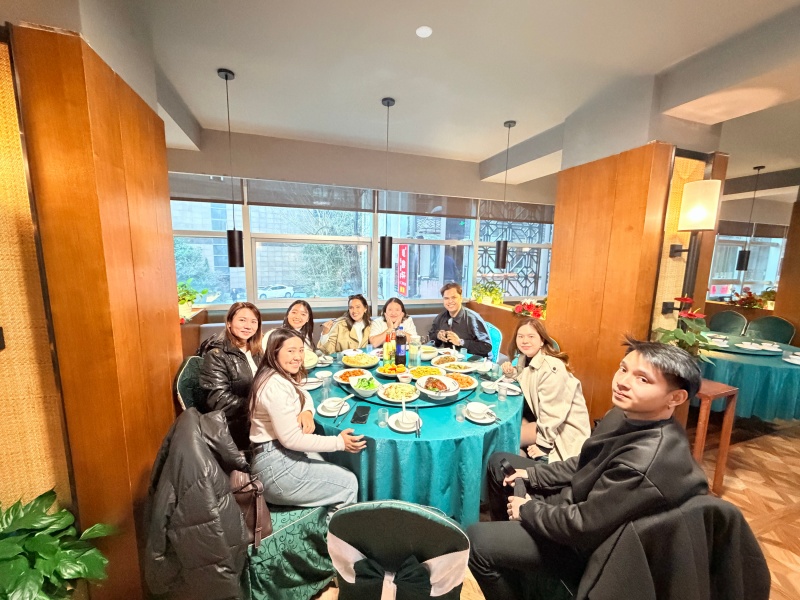
Meals: Balancing Sour and Spicy, with Controlled Heat
Thai cuisine is known for its sour, spicy, and sweet flavors — but not every Thai person enjoys extremely spicy food. The team communicated with each restaurant in advance: dishes could be adjusted to moderate spice levels; seafood had to be absolutely fresh; beef and other large-animal meats (which Thais tend to eat less of) were to be avoided; and every table was equipped with serving spoons, serving chopsticks, and plenty of napkins.
Guide Training: Finding Connections Through Cultural Resonance
The guides assigned by Hangzhou Kangyi did thorough homework in advance: they studied Thai etiquette and taboos (such as not handing things over with the left hand, as it is considered impolite; women should not touch monks; and entering temples requires tops that cover the shoulders and long trousers), and they prepared ice-breaking topics about Muay Thai, Thai films and TV dramas, and Sino-Thai cultural exchanges. The guides also familiarized themselves with the Thai translations of every dish on the menu so they could clearly introduce each item to the guests.
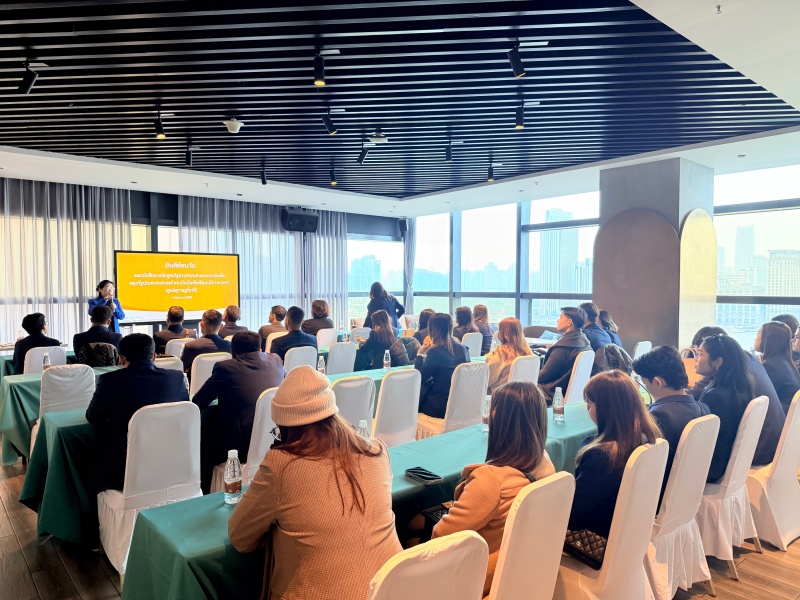
Payment and Connectivity: Paving the Way for Convenience
During the early communication phase, the team proactively introduced China's mobile payment systems and Wi-Fi rental services to the Thai guests. Today, mobile payments and translation apps make traveling in China much easier, so Thai visitors no longer feel as many barriers when coming to China.
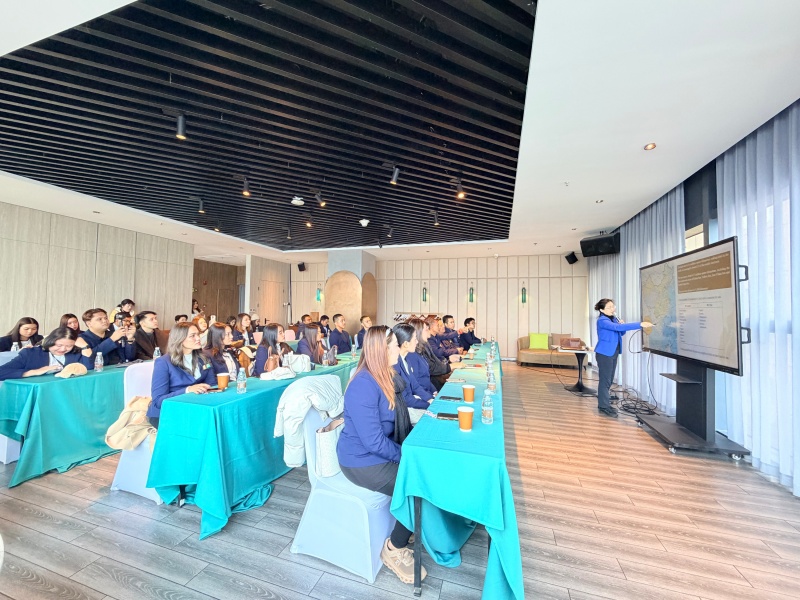
Itinerary Highlights: From Sightseeing to Deep Immersion
Thai travelers have a natural affinity for Jiangnan culture — as one Thai guest remarked during a visit: "The pavilions and towers in these paintings remind me of Wat Arun in Bangkok. The aesthetics of Eastern and Western architecture are truly connected."
Beyond classic landmarks such as West Lake boat cruises, Lingyin Temple, and the Bund in Shanghai, Hangzhou Kangyi specially added "immersive" experiences — taking guests to Hefang Street to observe silk weaving and Longjing tea frying, and to Wuzhen to try their hand at blue calico printing and dyeing. These interactive experiences often left a deeper impression than mere "check-ins." Thai guests are particularly fond of short videos showcasing intangible cultural heritage, so our guides proactively filmed such moments during the tours, making it easy for guests to share them on social media back home.
Shopping is also an important part of the itinerary. Thai travelers tend to have strong purchasing power and are generous spenders, enjoying the process of picking out souvenirs and gifts to bring home. Therefore, the itinerary included stops at silk markets and tea markets, allowing ample time for guests to browse and select their mementos.
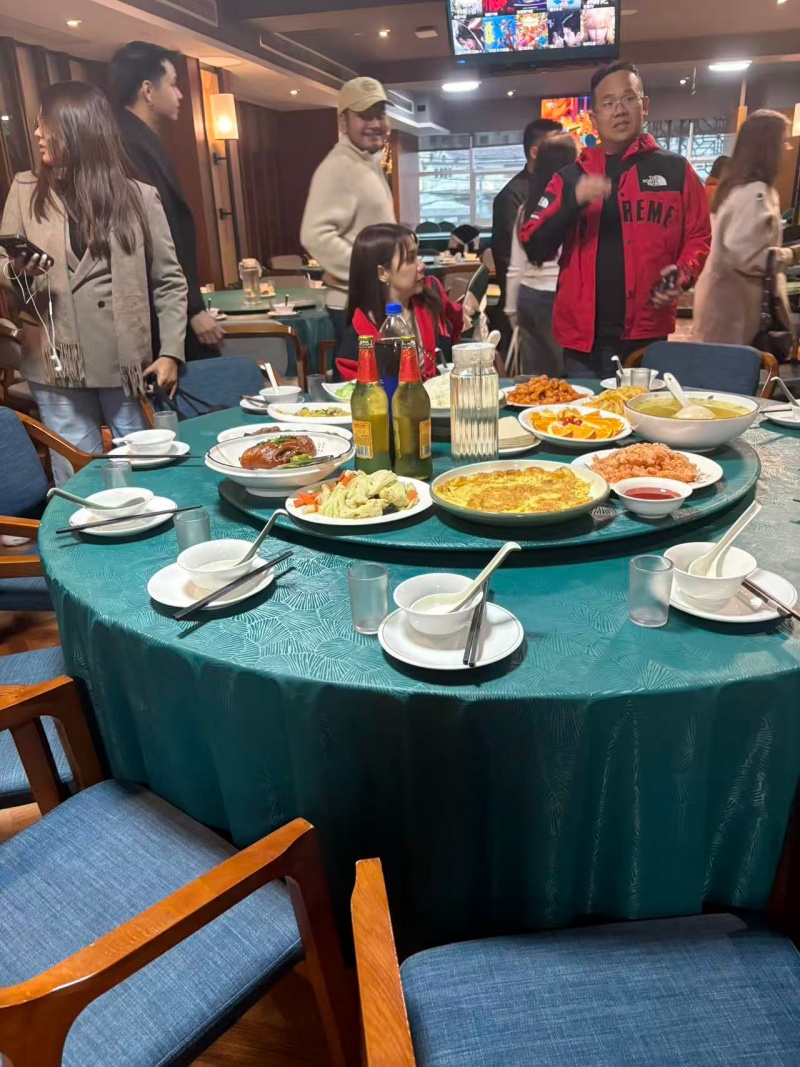
Encountering Jiangnan: A Cross-Cultural Dialogue
A truly great trip is not about stacking up attractions — it is about planting a seed in the traveler's heart. Since the mutual visa-exemption policy between China and Thailand took effect in March 2024, China has become the top overseas travel destination for Thai tourists. The guides at Hangzhou Kangyi, through sincere communication and detailed commentary, have shown our Thai guests a real, multi-dimensional, and modern China.
The luggage tracks may measure the thousands of miles traveled, but they can never measure the depth of the memories. This Jiangnan journey may well become a story that some Thai guests will tell again and again after returning home — encouraging more of their friends to come and see China for themselves.
Hangzhou Kangyi International Travel Service
Every journey deserves to be taken seriously.
 English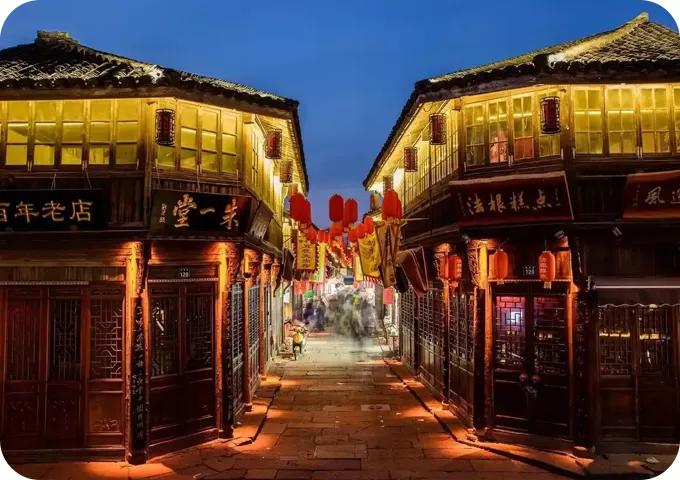



![[Kangyi Documentary] Summer Coolness Delivery, Warming Hearts on the Journey | Hangzhou Kangyi International Travel Service Pays Tribute to Every Guide Holding the Front Line](/uploads/images/we-are-committed-to-pursuing-excellence-and-striving_1772702268.webp "[Kangyi Documentary] Summer Coolness Delivery, Warming Hearts on the Journey | Hangzhou Kangyi International Travel Service Pays Tribute to Every Guide Holding the Front Line")
![[Kangyi Documentary] Under the Scorching Sun, True to Our Original Aspiration! Tribute to the Most Beautiful Tour Guides Holding Their Posts in the High Heat](/uploads/images/1_1772702274.webp "[Kangyi Documentary] Under the Scorching Sun, True to Our Original Aspiration! Tribute to the Most Beautiful Tour Guides Holding Their Posts in the High Heat")
![[Kangyi Documentary] Spectacular Scene! A 1,400-Person Group Tour of Jiangnan, Successfully Hosted by Kangyi International Travel Service!](/uploads/images/2_1772702280.webp "[Kangyi Documentary] Spectacular Scene! A 1,400-Person Group Tour of Jiangnan, Successfully Hosted by Kangyi International Travel Service!")